April 24, 2026
Family involvement in Memory Care is both valuable and, at times, complex. As dementia progresses for a loved one, families often face new emotions, uncertainty, and questions about how to stay connected. At the same time, Memory Care teams can guide families toward meaningful engagement. This support enhances quality of life for both the resident and the family. As Memory Care Director of The Barrymore Senior Living, these insights reflect how purposeful involvement can extend beyond traditional visits and create lasting impact.
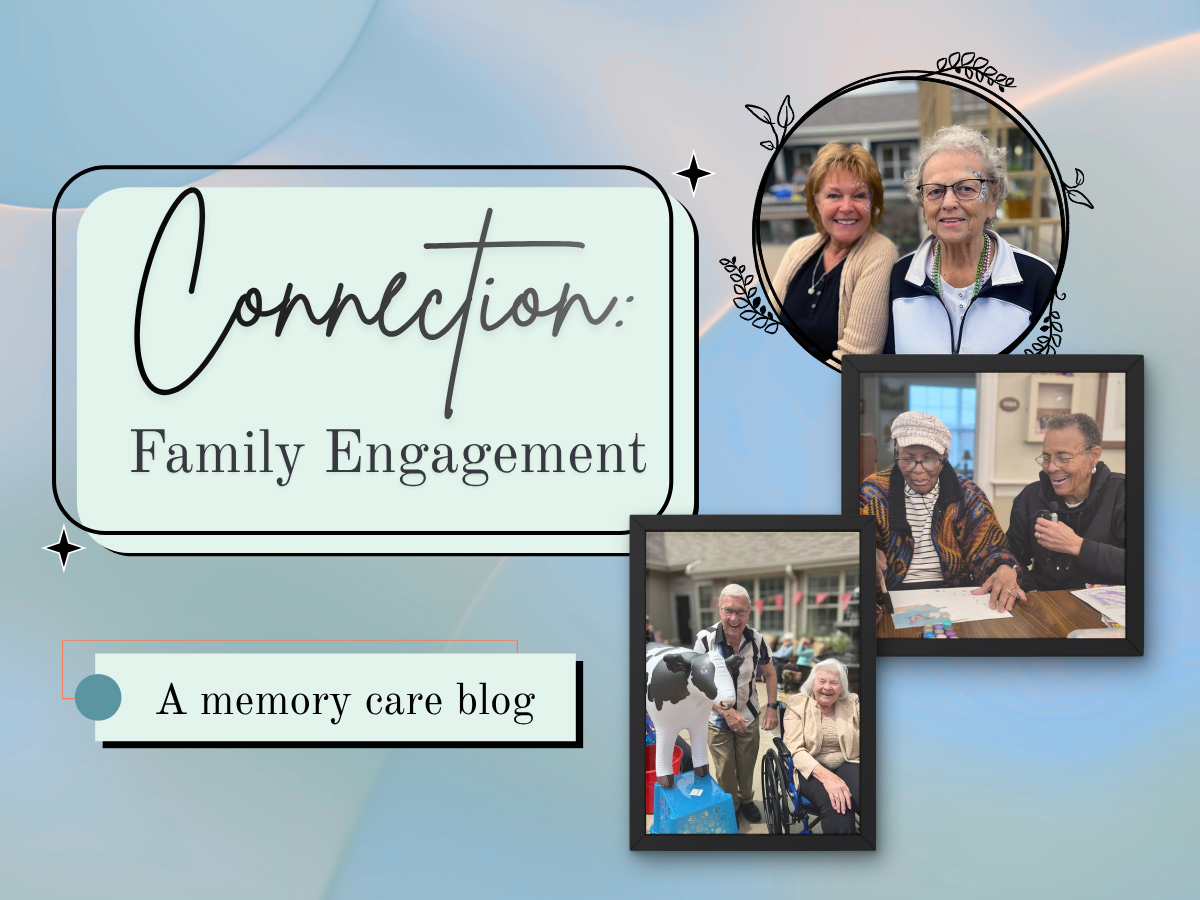
I engage families through events that feel interactive, purposeful, and emotionally engaging. These experiences help families reconnect in ways that feel natural and joyful.
For example, Family Nights and Bacon and Bingo create opportunities to share meals, laughter, and connection. Instead of passive visits, families actively participate and celebrate moments together. As a result, they often develop a stronger sense of purpose and connection with their loved one.
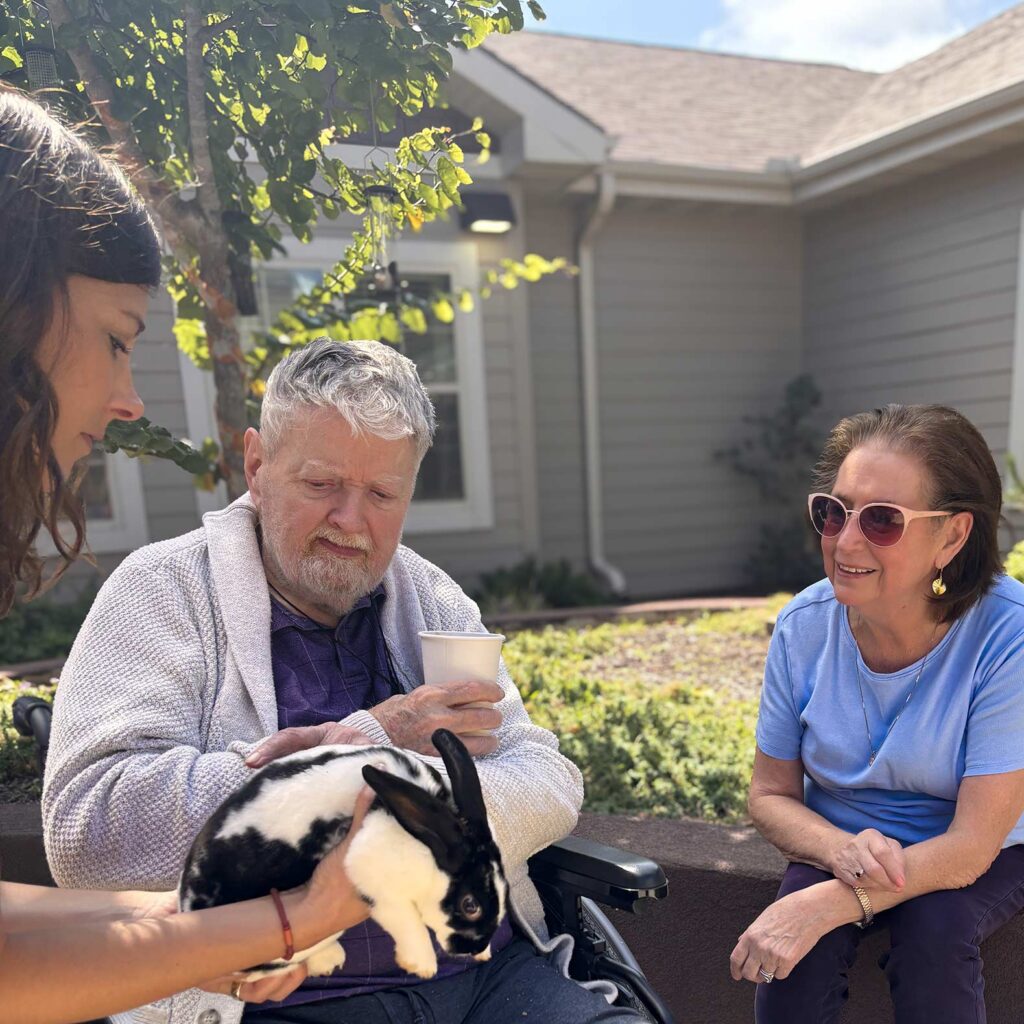
Garden parties offer a different kind of engagement. These gatherings provide a calm, sensory-rich setting with music, refreshments, and hands-on activities like planting flowers. This environment encourages relaxed conversation and peaceful connection. At the same time, family involvement strengthens comfort and community for residents.
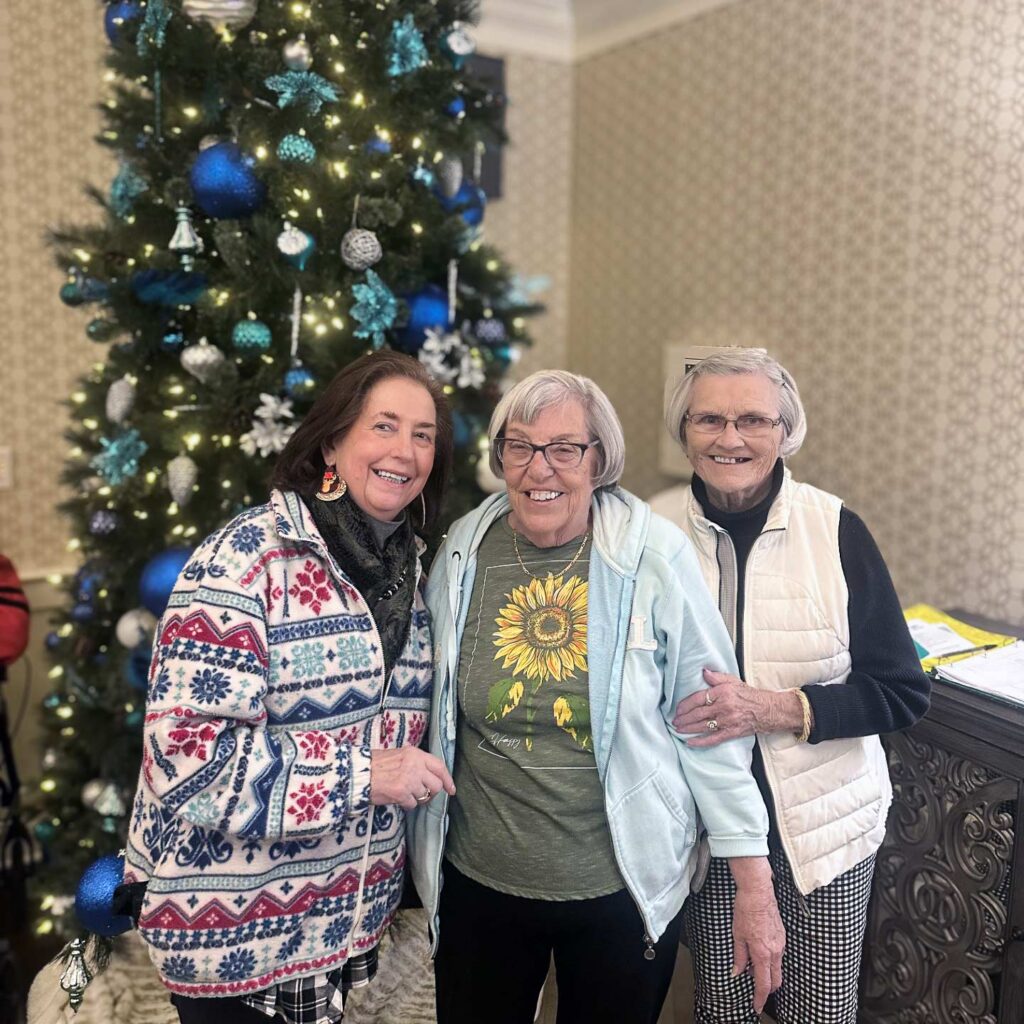
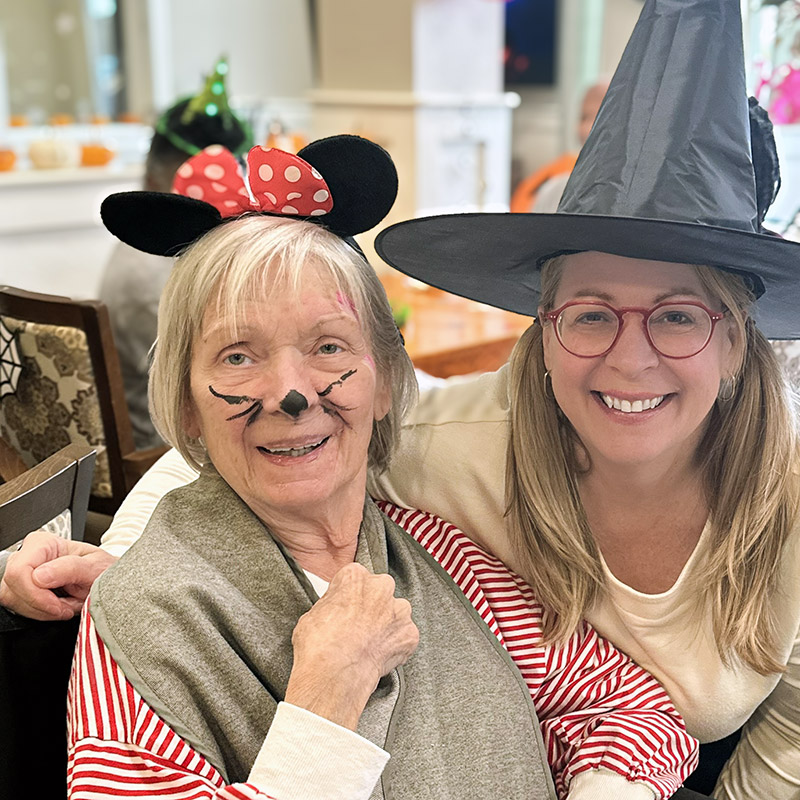
Holiday events also deepen engagement. Celebrations such as decorating days, themed parties, and shared meals allow families to recreate traditions. In turn, these moments spark familiarity, emotional comfort, and a sense of continuity.
I meet families where they are and recognize how overwhelming this journey can feel. Building trust is essential, so I focus on creating a space where families feel heard and supported.
Education and reassurance help families understand what to expect. Just as important, I remind them that their presence continues to matter, even as interactions change. Simple moments like sitting together, listening to music, or sharing quiet time can still be meaningful.
When needed, I model interactions to show effective ways to connect. Through consistent communication and encouragement, families gain confidence and feel more included in their loved one’s experience.
One resident became withdrawn and occasionally resistant to care. Her family shared that she loved music, especially singing, but felt unsure how to engage her. I invited them to a music therapy event and introduced familiar songs to guide the moment.
During the visit, they began singing together. Almost immediately, the resident became more alert and engaged. She smiled, participated, and showed a noticeable shift in mood.
After that experience, the family felt more confident. They continued using music during visits, which led to improved mood, reduced resistance to care, and greater social engagement over time. This example shows how guided involvement can truly transform a resident’s quality of life.
Families interested in volunteering can begin by connecting with the Memory Care Director or Resident Services Director. From there, the team provides guidance through onboarding and required steps.
We also take time to learn each person’s interests and hobbies. This allows us to match opportunities that feel meaningful for both the family and the broader community.
There is no one-size-fits-all approach to family engagement in Memory Care but with intention, empathy, and clear guidance, it can become one of the most impactful parts of a resident’s experience. When families are supported, empowered, and invited into meaningful moments, the result is often deeper connection, improved well-being, and a stronger sense of community for everyone involved. Whether you’re a family member looking to stay involved or a care professional seeking new ideas, we hope these insights inspire thoughtful, compassionate engagement in your own Memory Care neighborhood.
The Barrymore Senior Living in Kansas City, MO, offers independent living, assisted living, and memory care in a vibrant community. Residents enjoy upscale amenities, personalized care options, three professionally prepared meals daily, housekeeping, and a rich calendar of events to stay engaged. Independent living promotes an active lifestyle, assisted living offers tailored support, and memory care provides a secure, nurturing environment.
With its prime location, The Barrymore Senior Living is just minutes from Zona Rosa Town Center, scenic parks, and local attractions like the Kansas City Zoo and the Nelson-Atkins Museum of Art. Residents can also take advantage of the community’s beautifully landscaped grounds and inviting spaces to relax or connect with friends and family.

The Barrymore Senior Living serves and employs individuals of all faiths, regardless of race, color, gender, sexual orientation, national origin, age or handicap, except as limited by state and federal law.